New product launch comming soon...

My Fully Balanced Budget Reference System
Reviewing a fully balanced audio chain: Fosi Audio ZD3 DAC + V3 Mono Amps with JBL Studio speakers. A realistic look at noise floors, crosstalk, and whether the upgrade is worth it for the average listener.
Siby Koshy
1/19/20263 min read





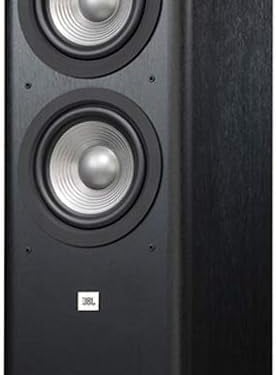
For years, the "Holy Grail" of high-fidelity audio has been the Balanced System—separate monoblock amplifiers, dedicated balanced DACs, and XLR interconnects. The technical argument is strong: we want Transparency (hearing the music, not the gear) and Separation (hearing the instruments, not a wall of noise).
Historically, achieving a fully balanced architecture required a budget in the thousands. With the advent of Class D amplifiers the budget has come down to reasonable levels for the majority to afford. With Fosi Audio ZD3 DAC and dual V3 Mono power amplifiers, I have assembled a budget reference-grade, fully balanced chain for my JBL Studio Series floor standers. But as I integrated this stack, I had to ask myself: Is the difference actually audible?
Here is the technical breakdown of why I switched to this architecture, along with a realistic look at whether you actually need it.
The Theory: Why "Balanced" Exists?
To the layman, an XLR cable just looks like a thicker wire with three pins. Technically, it uses Differential Signalling. In a standard (RCA) connection, the ground wire carries both the reference signal and any garbage noise picked up from your room. In a balanced (XLR) connection, the signal is split into two (Normal and Inverted). When the amplifier receives them, it flips the inverted signal back. Any noise picked up along the cable is cancelled out because it is now out of phase.
The Result: A lower noise floor and better protection against interference provided the whole chain is balanced.
The Chain: Component Breakdown
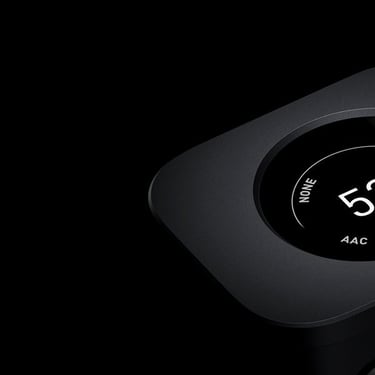
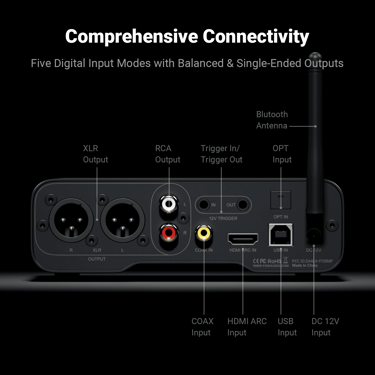
The Source: Fosi Audio ZD3 (The DAC/Pre-Amp) (Audio Science Review)
The ZD3 acts as the command center. It supports multiple digital inputs COAX, HDMI ARC and USB along with Bluetooth(SBC, AAC, aptX, aptX HD). It has both Balanced XLR and unbalanced RCA outputs so its quite a versatile DAC/Pre-Amp. It also comes with a handy remote to control most of the functions. By utilising its balanced XLR outputs, I am feeding the amplifiers a higher voltage swing (5Vrms vs the standard 2Vrms of RCA).
Audiophile Benefit: Higher voltage improves the Signal-to-Noise Ratio (SNR). Basically, the music signal is stronger relative to the background hiss.
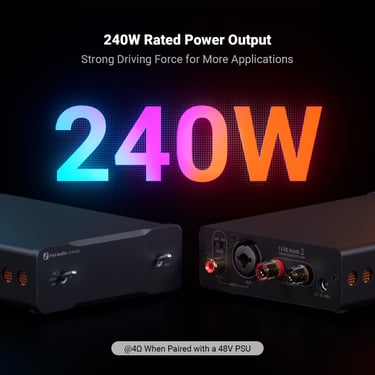
The Power: Dual Fosi Audio V3 Monos (Audio Science Review)
I am using two separate V3 Mono blocks one for each channel. This means 100% Channel Separation—the left and right channels do not share a power supply or chassis.These amps use Post-Filter Feedback (PFFB) to correct non-linearity, ensuring the frequency response stays flat regardless of the speaker's impedance load. This used to be one of the drawbacks of Class D amps but with PFFB the issue has been drastically reduced.
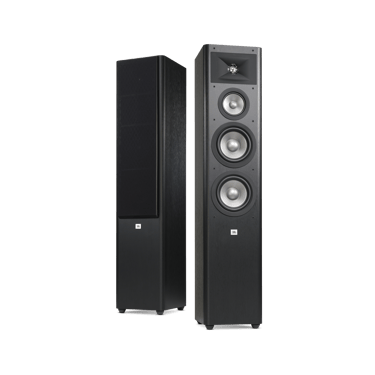
The Load: JBL Studio 280 Floor Standers (Specifications)
My JBLs are large and power-hungry. The balanced configuration helps provide the necessary Damping Factor (grip) to control the bass drivers, preventing muddy low-end frequencies.
Sound Impressions: What difference does your ear perceive?
The Subtle Art of Refinement So, does this stack sound dramatically different from a standard single-ended setup? Yes and No.
The "Blacker" Background: The most objective change is in the silence. If I put my ear next to the tweeter with no music playing, the balanced setup is dead silent. With RCA, you might hear a faint hiss if you have a "noisy" room (lots of Wi-Fi or power strips).
Note: Once the music starts playing, you likely won't notice this unless you listen to classical music with lots of quiet passages even then most people won't notice it.
Improved Separation: Because of the monoblock design (zero crosstalk), the separation between instruments is cleaner. It’s not that the sound "changes," but the presentation feels slightly more organized. Complex tracks with many layers sound a bit less congested.
Tighter Bass: The higher voltage and power delivery give the JBL woofers a bit more authority. Kick drums feel slightly punchier and stop faster. That said, these Amps are slightly on the “Brighter” side when compared to my Cambridge Audio Class A-B amp.
The Reality Check: Do You Need This?
Here is the honest truth: The difference is subtle. If you are a casual listener enjoying Spotify in the background while working, or if your speakers are positioned less than perfectly, you probably will not hear a major difference between this fully balanced stack and a standard stereo amp. The leap from "TV Speakers" to a "Stereo Amp" is 90% of the improvement. The leap from "Unbalanced" to "Balanced" is that final 10%.
Who is this for? Audiophiles with keen ears, critical listeners who sit in a sweet spot, and those who suffer from ground loops or electrical hum in their home.
Who can skip it? If you just want to enjoy loud, fun music without analysing the micro-details, a standard single-ended connection is still fantastic and saves you money on expensive cables and separate components.
Verdict:
The Fosi Audio ZD3 and V3 Monos are incredible feats of engineering for the price. Note that this isn't intended to be the ultimate high-end build, but it offers exceptional value for its price point and remains competitive well above its budget. They bring that final layer of audiophile refinement—lower noise, better separation, and tighter control—within reach of the average enthusiast. However, don't feel pressured to upgrade if you are happy with your current setup. This system is for those of us who chase that last 10% of performance, even if the rest of the world can't hear it.
Contact: sibykdxb@gmail.com
Copyright © All rights reserved.